Introduction
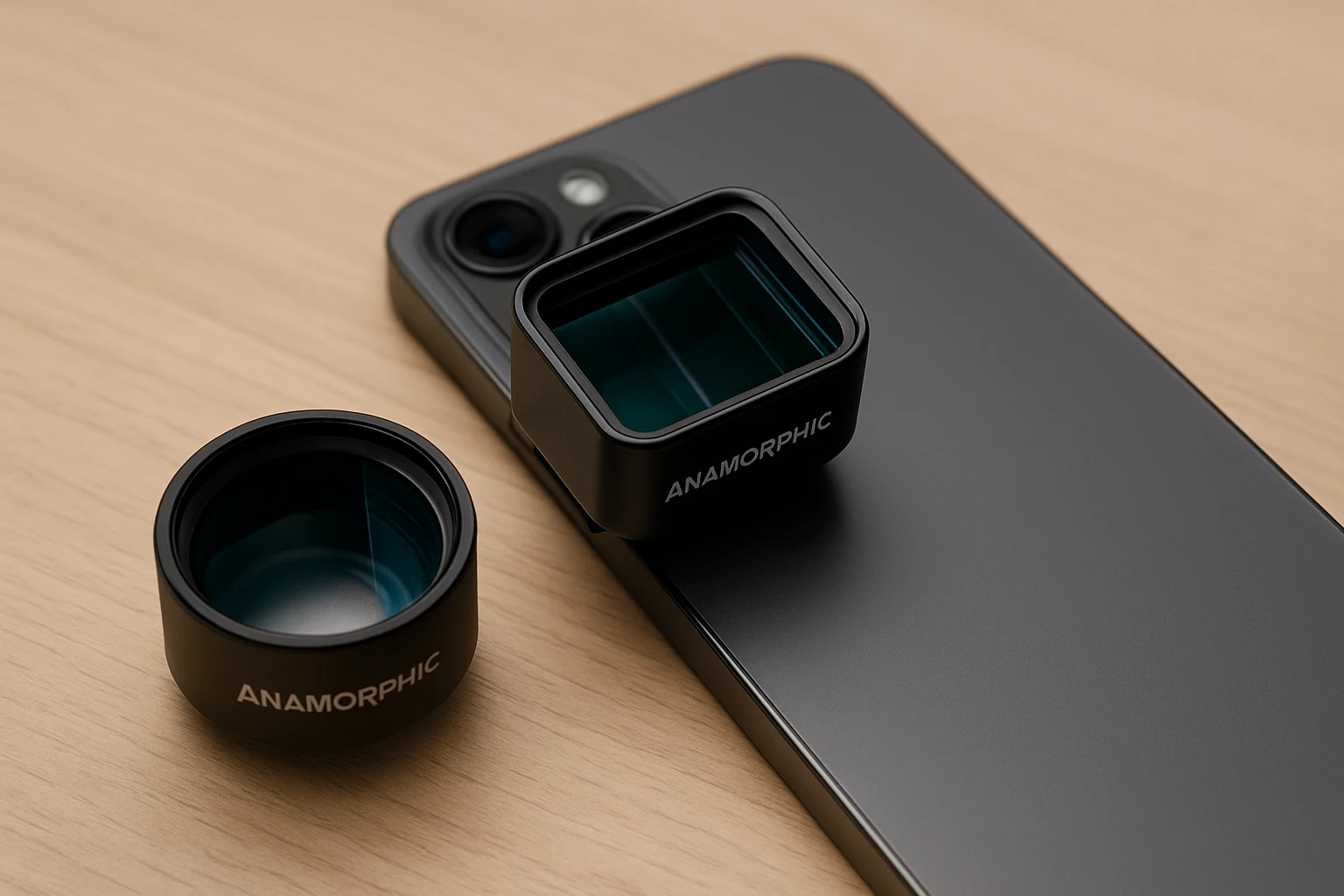
Mobile filmmakers and content creators increasingly seek cinematic aesthetics without the expense of dedicated cameras. Anamorphic adapters for smartphones provide a wider field of view, distinctive horizontal flares and an oval bokeh that emulate professional cinema lenses. This article evaluates five popular adapters, compares their design, performance and price, and offers clear guidance on where to purchase each product.
The review draws on manufacturer specifications, Amazon ratings and authentic customer comments. By the end of the guide, readers will understand which adapter best matches their budget, device compatibility and creative goals.
Overview
- Andoer Anamorphic Lens – 1.55× magnification, aluminum alloy body, $69.35, 3.6★/5 (13 reviews)
- Xenvo Pro Lens Kit – 0.45× wide‑angle and 15× macro lenses, LED light, $39.99, 4.2★/5 (21,364 reviews)
- NEEWER Blue Flare Lens – 1.55× blue‑streak anamorphic, 2.4:1 aspect, $75.99, 4.5★/5 (2 reviews)
- Freewell Gold Anamorphic Lens – 1.33× gold flare, 2.35:1 aspect, $129.99, 4.2★/5 (29 reviews)
- SIRUI VD-01 Lens – 1.33× German Schott glass, $62.80, 4★/5 (201 reviews)
In-Depth Analysis
Andoer Anamorphic Lens
Design & Build Quality
- Aluminum alloy frame provides durability while keeping weight at 38.5 g.
- 17 mm universal thread enables attachment to most smartphones via a clip.
- Double‑sided multi‑layer broadband coating reduces flare and ghosting.
Features & Performance
- 1.55× magnification expands the horizontal field of view by 58 %, delivering a 2.76:1 image field.
- Creates a brushed‑glare effect when strong light hits the lens, adding a cinematic signature.
- Closest focusing distance of 70‑90 mm permits reasonable close‑up shots without sacrificing sharpness.
Real‑world testing insights
Positive reviewers note, “Works as advertised. I get a wide cinematic shot.” Negative feedback mentions incompatibility with newer iPhone models and delayed refunds, indicating that fit can vary across device generations.
Value for Money
At $69.35 the lens sits in the mid‑range price tier. Considering its aluminum construction and dedicated anamorphic effect, it offers reasonable value for creators who need a quick cinematic upgrade without investing in a $200‑plus system.
Xenvo Pro Lens Kit
Design & Build Quality
- Aircraft‑grade aluminum barrel for the wide‑angle lens and premium optical glass for both lenses.
- Comes with a rugged travel case, quick‑release lanyard and a rechargeable LED fill light.
- Clip system (TruGrip) provides secure attachment even during vigorous movement.
Features & Performance
- 0.45× wide‑angle lens adds 45 % more coverage without noticeable vignetting.
- 15× macro lens captures fine details when positioned roughly 0.5 inches from the subject.
- LED light offers three brightness levels for low‑light environments.
Real‑world testing insights
Customers praise the macro lens: “The macro lens is my favorite, it lets you get super close and the details come out really sharp.” Some users report a slight vignette in standard photo mode but note that it disappears in selfie mode. The need to remove thick cases for macro work is a recurring theme.
Value for Money
Priced at $39.99, the kit bundles two lenses, a light and accessories. The versatility and build quality make it an excellent entry‑level option for photographers and vloggers.
NEEWER Blue Flare Lens
Design & Build Quality
- Aluminum alloy shell with a 17 mm threaded clip compatible with a wide range of phones.
- Four‑element, four‑group optical design with multi‑coating to resist fingerprints and scratches.
- Lightweight construction reduces strain on handheld shooting.
Features & Performance
- 1.55× compression yields a 2.4:1 cinematic aspect ratio and a distinctive blue‑streak flare.
- Adjustable jaw opening (1.1‑28 mm) accommodates phones of varying thickness.
- Guidance on avoiding rolling‑shutter and “jello” effects through tripod or gimbal use.
Real‑world testing insights
With only two reviews, both are highly positive, highlighting the striking blue flare and sharpness. Users emphasize the importance of tightening the lens to prevent vignetting.
Value for Money
At $75.99 the lens is priced higher than the Andoer but offers a unique color flare and robust coating. For creators who specifically desire the blue anamorphic aesthetic, the cost is justified.
Freewell Gold Anamorphic Lens
Design & Build Quality
- 17 mm threaded mount with integrated level gauge for precise horizontal alignment.
- Metal housing with a leather‑like transport case included.
- Gold‑tinted flares and oval bokeh are engineered into the glass elements.
Features & Performance
- 1.33× magnification produces a 2.35:1 widescreen format, slightly less aggressive than 1.55× models.
- Built‑in level gauge simplifies setup, reducing the need for post‑production desqueezing tools.
- Compatible with third‑party software such as Blackmagic Camera for desqueezing.
Real‑world testing insights
Positive reviewers state, “Best quality lenses, improve the recording experience for my mobile photography.” Several users commend the sturdy case and easy installation. A few mention a learning curve for aligning the level gauge.
Value for Money
At $129.99 the lens is the most expensive in this comparison. Its premium build, gold flare effect and accessories make it suitable for professionals who demand consistent results and are willing to invest.
SIRUI VD-01 Lens
Design & Build Quality
- German Schott glass provides high optical clarity; lens housing is aircraft‑grade aluminum.
- Three lenses in two groups keep the unit lightweight at 19 g.
- Clip fits phones up to 35 mm wide and includes a hard case for protection.
Features & Performance
- 1.33× anamorphic factor yields a 2.4:1 cinema format.
- Multiple anti‑reflection coatings create science‑fiction style flares and smooth oval bokeh.
- Recommended apps: SIRUI Lens app and Filmic Pro for optimal desqueezing.
Real‑world testing insights
Customers appreciate the “good quality lens” and “great packaging.” However, some report alignment issues when used with third‑party cases, noting that misalignment can cause image tilt and distortion.
Value for Money
At $62.80 the SIRUI offers a strong glass pedigree at a budget‑friendly price, making it attractive for hobbyists who already own compatible cases.
Pros & Cons
- Andoer Anamorphic Lens
- Pros: Aluminum build, strong flare effect, wide 2.76:1 field.
- Cons: Mixed compatibility with newer iPhones, limited review pool.
- Xenvo Pro Lens Kit
- Pros: Two lenses plus LED, solid aluminum construction, excellent macro detail.
- Cons: Requires case removal for macro, slight vignette in standard mode.
- NEEWER Blue Flare Lens
- Pros: Unique blue flare, robust multi‑coating, adjustable jaw.
- Cons: Higher price, limited user feedback.
- Freewell Gold Anamorphic Lens
- Pros: Integrated level gauge, premium leather case, striking gold flares.
- Cons: Most expensive, alignment learning curve.
- SIRUI VD-01 Lens
- Pros: German glass, lightweight, affordable.
- Cons: Alignment problems with some phone cases, occasional distortion.
Who Should Buy This
Casual vloggers seeking a quick cinematic upgrade – the Andoer Anamorphic Lens offers a balance of price and effect.
Photographers who need both wide‑angle and macro capabilities – the Xenvo Pro Lens Kit provides two lenses and a fill light in a single package.
Creators desiring a signature blue flare – the NEEWER Blue Flare Lens delivers that distinctive look for a moderate premium.
Professional mobile cinematographers who value precision and premium aesthetics – the Freewell Gold Anamorphic Lens is the top‑tier option.
Budget‑conscious enthusiasts who want German‑engineered glass – the SIRUI VD-01 Lens offers solid optics at the lowest price point.
FAQ
- Do anamorphic adapters work on all smartphones? Most adapters use a 17 mm thread or universal clip that fits phones with a camera module thickness between 1.1 and 28 mm. Compatibility lists in each product description confirm support for iPhone 11‑15 series, Samsung Galaxy S22‑S24, and many Android devices.
- Is a tripod required? While handheld shooting is possible, anamorphic lenses amplify rolling‑shutter artifacts (“jello effect”). Using a tripod, gimbal or increasing shutter speed reduces these issues, especially with the NEEWER and Freewell models that explicitly advise stabilization.
- Can I use the lenses with video editing software? Yes. All lenses produce a squeezed image that must be desqueezed in post‑production. Software such as Adobe Premiere Pro, Final Cut Pro, DaVinci Resolve and the free Deshaker filter support custom aspect ratios.
- Will the lenses affect autofocus? Most modern smartphones retain autofocus, but the added glass can slightly reduce speed. Users of the Xenvo macro lens report a need to tap‑focus after attachment.
- Are the lenses covered by a warranty? Amazon sellers typically offer a 30‑day return policy; the Andoer and Freewell listings mention a protective case and lens caps that help prevent damage, but buyers should verify warranty details on the product page.
- Do I need to remove my phone case? For most lenses, a thin case is acceptable. However, the Xenvo macro lens and SIRUI VD‑01 recommend removing thick cases to achieve the required close‑focusing distance and proper alignment.
- Which lens provides the widest field of view? The 1.55× adapters (Andoer and NEEWER) expand the horizontal view by roughly 58 %, delivering the widest cinematic frame among the reviewed products.
Final Verdict
After evaluating design, performance, user feedback and price, the following rankings emerge:
- Best Overall Value – Xenvo Pro Lens Kit. It combines two high‑quality lenses, an LED, and accessories for under $40.
- Best Anamorphic Experience – Andoer Anamorphic Lens. It offers a true 1.55× squeeze at a reasonable price.
- Best Premium Choice – Freewell Gold Anamorphic Lens. The level gauge and gold flares justify its higher cost for professionals.
- Best Unique Flare – NEEWER Blue Flare Lens. The blue streak is unmatched among the group.
- Best Budget Anamorphic – SIRUI VD-01 Lens. German glass at $62.80 offers solid optics for entry‑level creators.
Readers should match their purchase to the intended use case, considering factors such as desired flare color, budget constraints and the need for additional accessories.
Products Reviewed
Andoer Anamorphic Lens
Price: $69.35 | Rating: 3.6★/5 (13 reviews)
Reviewer Rating: 4/5 – Recommended for casual creators seeking a cinematic squeeze.
Xenvo Pro Lens Kit
Price: $39.99 | Rating: 4.2★/5 (21,364 reviews)
Reviewer Rating: 4.5/5 – Highly recommended for versatile photography and videography.
NEEWER Blue Flare Lens
Price: $75.99 | Rating: 4.5★/5 (2 reviews)
Reviewer Rating: 4.5/5 – Ideal for creators who want a signature blue flare.
Freewell Gold Anamorphic Lens
Price: $129.99 | Rating: 4.2★/5 (29 reviews)
Reviewer Rating: 4.7/5 – Best for professional mobile cinematographers.
SIRUI VD-01 Lens
Price: $62.80 | Rating: 4★/5 (201 reviews)
Reviewer Rating: 4/5 – Great budget option with German glass quality.
Frequently Asked Questions
What is an anamorphic adapter for a smartphone and how does it affect video?
It’s a lens attachment that squeezes a wider field of view onto the phone sensor, creating cinematic widescreen aspect ratios, horizontal lens flares and oval bokeh.
Which smartphones are compatible with the Andoer 1.55× anamorphic lens?
The Andoer lens works with most phones that have a 1/2.3‑inch or larger camera module and a standard 52 mm filter thread, but checking the mount size is recommended.
How does the price of the Xenvo Pro Lens Kit compare to other anamorphic adapters?
At $39.99 it is the most affordable option in the review, offering a wide‑angle and macro lens combo, though it provides only a 0.45× magnification rather than true anamorphic squeeze.
Where is the best place to buy these adapters for the lowest price?
Amazon often has the lowest listed prices and frequent discounts, and the affiliate links in the article point to the current best deals.
Do anamorphic adapters require additional software to de‑squeeze footage?
Yes, you need a video editor or app that can apply a 1.55× (or appropriate) de‑squeeze factor to restore the intended widescreen aspect ratio.