Introduction
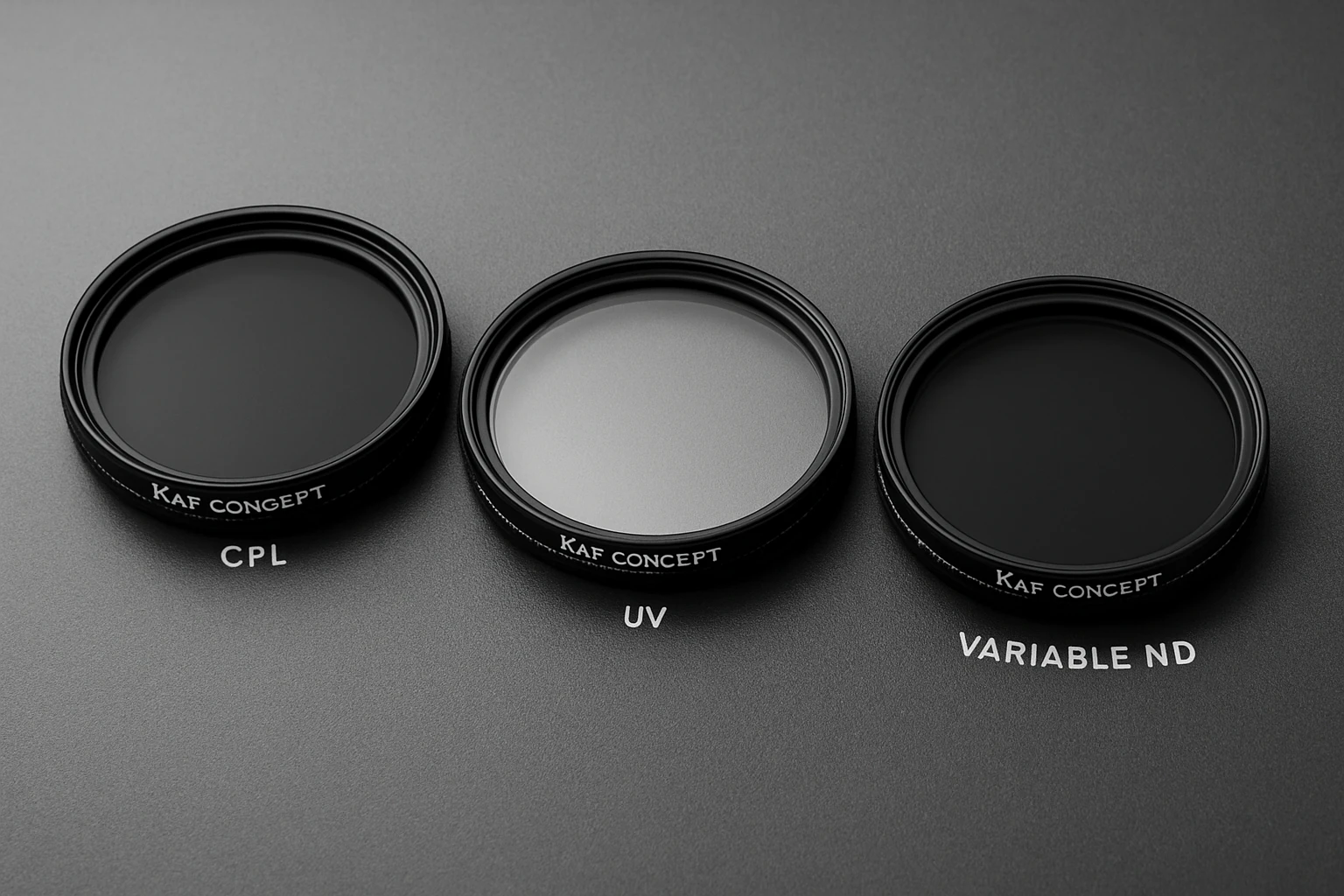
The photography market offers a multitude of lens filters, yet three K&F CONCEPT products dominate entry‑level to enthusiast segments: the 58mm Circular Polarizer, the 52mm MCUV UV Protection filter, and the 58mm Variable ND filter. Understanding their differences matters because each filter influences color fidelity, exposure control, and lens protection in distinct ways. Selecting the appropriate filter can improve image quality, reduce post‑processing time, and protect valuable optics. This article provides a comprehensive, data‑driven comparison to help photographers choose the right tool for their workflow.
Individual Product Overviews
K&F 58mm Circular Polarizer Filter
Price: $15.99 | Rating: 4.5/5.0 (2,899 reviews) | Availability: In Stock
- Ultra‑slim 5.3 mm frame prevents vignetting on wide‑angle lenses.
- 18‑layer multi‑coating enhances color saturation and reduces glare.
- Japanese‑imported AGC optical glass preserves natural color.
- Includes a vacuum‑packed cleaning cloth for safe maintenance.
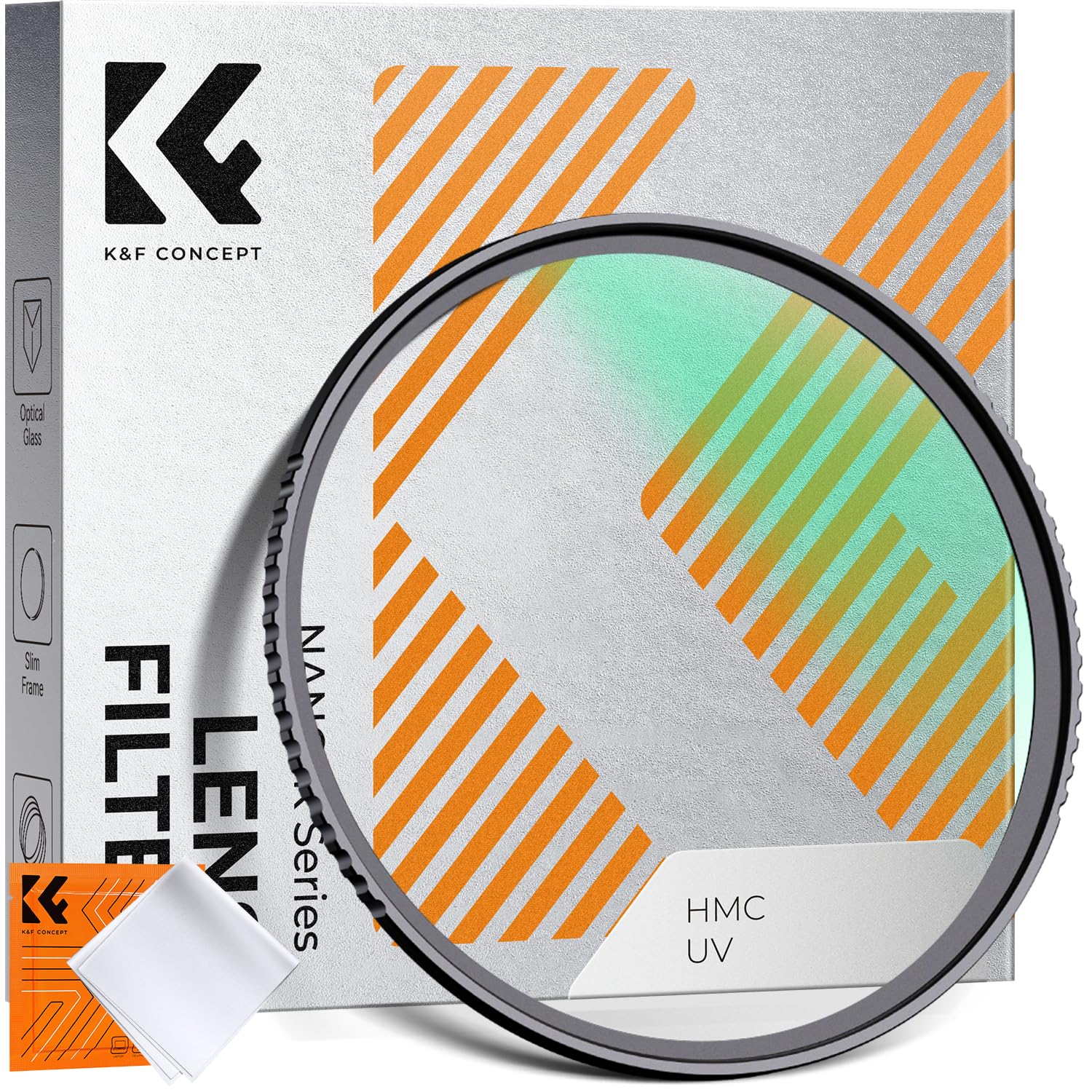
K&F 52mm MCUV Lens Protection Filter
Price: $10.89 | Rating: 4.8/5.0 (5,878 reviews) | Availability: In Stock
- 94 % light transmittance ensures high‑definition image quality.
- 18‑layer nanometer coating reduces reflections and protects the lens surface.
- Only 3.3 mm thick, eliminating vignetting even on telephoto lenses.
- Blocks ultraviolet rays, preventing the bluish cast often seen in high‑altitude photography.
K&F 58mm Variable ND Lens Filter
Price: $30.39 | Rating: 4.5/5.0 (12,477 reviews) | Availability: In Stock
- Adjustable from 1 to 9 stops (ND2‑ND400) for versatile light control.
- Premium AGC optical glass with 8‑layer coating reduces flare.
- Slim 7.4 mm frame with CNC‑patterned grip for secure rotation.
- Oxidized sandblasted surface minimizes stray light reflections.
Head‑to‑Head Comparison
Price and Value
The UV Protection filter offers the lowest price at $10.89, delivering basic lens safety and UV reduction. The Circular Polarizer sits in the mid‑range at $15.99, providing both protection and polarization benefits. The Variable ND filter commands the highest price at $30.39, reflecting its complex adjustable optics. When evaluating value, consider the intended use: a landscape photographer may find the polarizer’s $15.99 price justified, while a video creator requiring variable exposure control may deem the $30.39 investment worthwhile.
Features and Specifications
| Feature | Circular Polarizer | UV Protection | Variable ND |
|---|---|---|---|
| Diameter | 58 mm | 52 mm | 58 mm |
| Thickness | 5.3 mm | 3.3 mm | 7.4 mm |
| Glass Type | Imported AGC optical glass | Imported AGC optical glass | Premium AGC optical glass |
| Coating Layers | 18‑layer multi‑coating | 18‑layer nanometer coating (double‑sided) | 8‑layer multi‑coating |
| Light Reduction | Polarization (removes reflections) | UV blocking (94 % transmittance) | 1‑9 stops adjustable ND |
| Vignetting Risk | None (ultra‑slim frame) | None (thin frame) | None (slim 7.4 mm design) |
Customer Ratings and Feedback
The UV Protection filter enjoys the highest average rating of 4.8 stars from 5,878 reviewers, indicating strong satisfaction with its protective qualities. The Circular Polarizer and Variable ND both hold a 4.5‑star rating, with 2,899 and 12,477 reviews respectively. Review excerpts highlight common themes:
- "Excellent color boost and reduced glare on water surfaces" – Circular Polarizer.
- "Great value for protecting my lens and removing the purple hue" – UV Protection.
- "Smooth adjustment from ND2 to ND400, perfect for video shoots" – Variable ND.
Performance and Reliability
All three filters employ CNC‑machined frames that resist slippage during installation. The polarizer’s 18‑layer coating delivers consistent color saturation across a range of lighting conditions, while the UV filter’s 94 % transmittance maintains sharpness. The Variable ND’s adjustable range offers creative exposure control, though users should note the potential "X black cross" at maximum stops, a known artifact of variable ND technology. Longevity reports are positive; users frequently mention the durability of the AGC glass and the protective cleaning cloths.
Best Use Cases
- Landscape photography: Circular Polarizer – enhances sky contrast and eliminates water reflections.
- Everyday travel or street photography: UV Protection – safeguards the front element and reduces haze.
- Video production and long‑exposure work: Variable ND – provides precise exposure reduction without changing aperture or shutter speed.
Pros & Cons
Circular Polarizer
- Pros: Enhances color, reduces reflections, ultra‑slim design prevents vignetting, includes cleaning cloth.
- Cons: Limited to 58 mm lenses, does not provide UV protection.
UV Protection
- Pros: Lowest price, excellent UV blocking, ultra‑thin frame, high transmittance, protects lens from scratches.
- Cons: Does not affect reflections or color saturation; specific to 52 mm lenses.
Variable ND
- Pros: Adjustable 1‑9 stops, premium glass, slim yet sturdy frame, ideal for video and long exposures.
- Cons: Higher price, potential X‑cross at maximum density, requires 62 mm lens cap for full coverage.
Recommendations
Based on the data, the following recommendations are offered:
- Buy the Circular Polarizer if you frequently shoot landscapes, architecture, or water scenes and require color enhancement without sacrificing lens speed.
- Buy the UV Protection filter for budget‑conscious photographers who need basic lens safety and UV reduction on 52 mm lenses.
- Buy the Variable ND filter if you produce video content, need precise exposure control, or enjoy creative long‑exposure photography.
FAQ
- Can the Circular Polarizer be used on wide‑angle lenses without vignetting? Yes; its 5.3 mm ultra‑slim frame is designed to avoid vignetting even on ultra‑wide lenses.
- Will the UV filter affect image sharpness? No; the 94 % transmittance and high‑quality AGC glass preserve sharpness while blocking ultraviolet light.
- Is the Variable ND filter compatible with all 58 mm lenses? It fits any 58 mm thread, but a 62 mm lens cap is required to fully cover the filter’s edges.
- What is the "X black cross" mentioned for the Variable ND? It is a temporary cross‑pattern that appears at the highest density settings due to the filter’s adjustable polarizing layers; it disappears when the density is reduced.
- Do any of these filters require special cleaning methods? All three include a vacuum‑packed cleaning cloth; the glass surfaces should be cleaned gently with the cloth to avoid scratches.
Conclusion
Each K&F filter addresses a distinct photographic need. The 58 mm Circular Polarizer delivers color enhancement and reflection control at a modest $15.99 price point, making it the optimal choice for landscape shooters. The 52 mm UV Protection filter provides the best value for protecting lenses and eliminating haze, ideal for travel photographers on a budget. The 58 mm Variable ND filter, though the most expensive, offers unparalleled flexibility for video creators and long‑exposure artists. Selecting the appropriate filter depends on lens size, intended application, and budget constraints.
Products Mentioned in This Review
Frequently Asked Questions
What are the main differences between the K&F 58mm Circular Polarizer, 52mm MCUV UV Protection, and 58mm Variable ND filters?
The Circular Polarizer reduces glare and enhances color saturation, the UV filter protects the lens and blocks ultraviolet light, while the Variable ND filter lets you adjust exposure without changing shutter speed.
Will the 5.3 mm slim frame of the K&F 58mm Circular Polarizer cause vignetting on wide‑angle lenses?
No, its ultra‑slim design is specifically engineered to prevent vignetting even on wide‑angle lenses.
How does the 18‑layer multi‑coating on K&F filters affect image quality?
The multi‑coating minimizes reflections, improves color fidelity, and reduces ghosting for clearer photos.
Is the K&F 58mm Variable ND filter suitable for video work?
Yes, its adjustable density allows smooth exposure changes, making it ideal for consistent video exposure.
What accessories are included with the K&F 58mm Circular Polarizer for maintenance?
Each filter comes with a vacuum‑packed cleaning cloth to safely clean and protect the glass.

