Shooting with Smartphone Gimbals in Public: The Complete Legal Guide to Laws, Permits & Privacy
Introduction
Public filming with a smartphone gimbal has become a mainstream method for creators to capture smooth, cinematic footage on the go. This guide explains the legal landscape that governs such activities, outlines when permits are required, clarifies privacy obligations, and provides actionable best‑practice tips. Readers will also discover a recommended gimbal that balances performance and affordability, enabling them to comply with the law while producing professional‑grade content.
Background and Context
In many jurisdictions, the right to record in public spaces is protected, yet it coexists with regulations that safeguard privacy, public safety, and commercial interests. Understanding the distinction between public sidewalks, parks, private property open to the public, and regulated venues is essential before mounting a gimbal and pressing record.
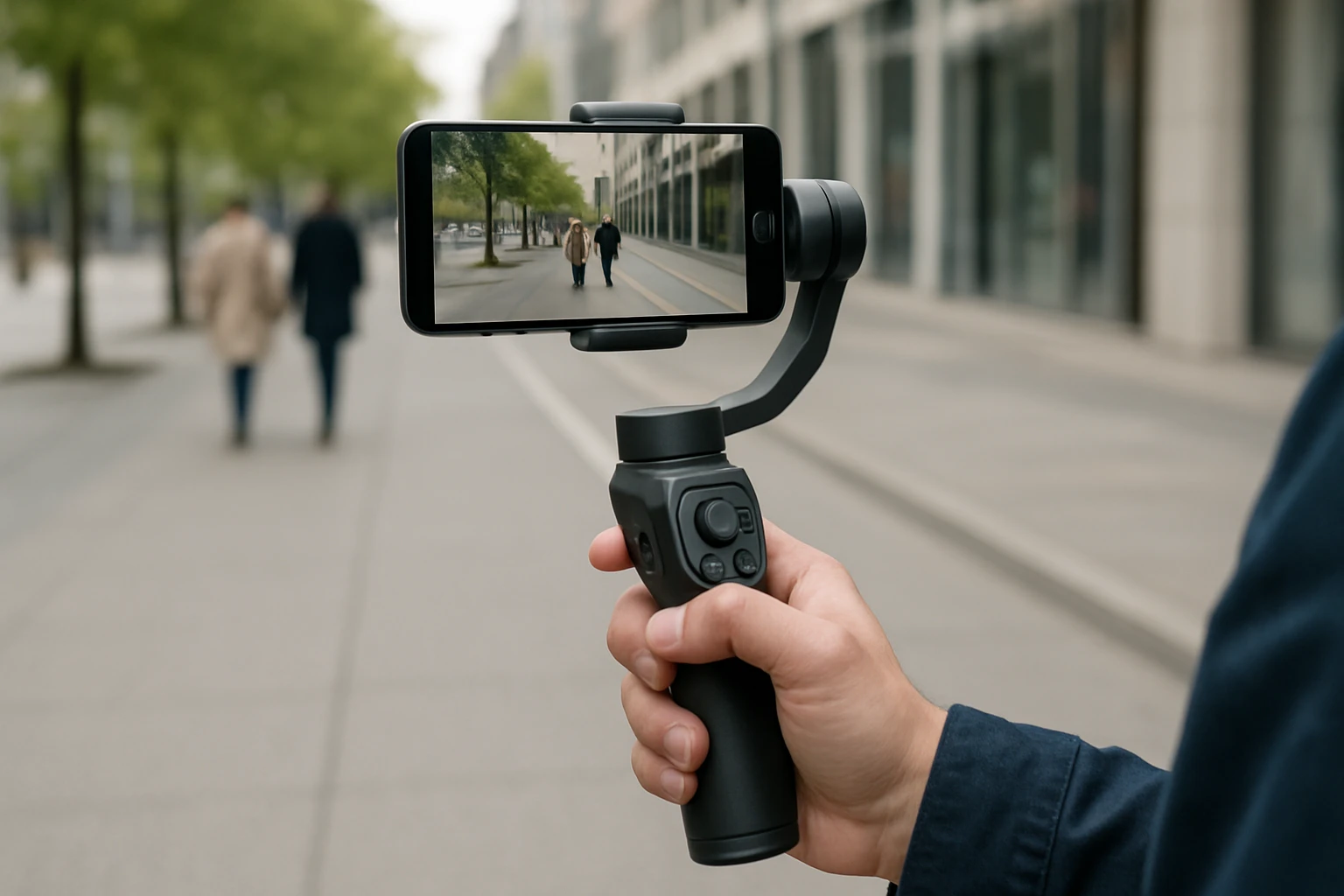
Smartphone gimbals, such as the DJI Osmo Mobile 7, provide three‑axis stabilization, active tracking, and built‑in tripods, allowing creators to produce steady shots without bulky equipment. However, the ease of use does not exempt users from complying with local statutes, permit requirements, and privacy expectations.
This section briefly reviews the constitutional basis for recording, the role of municipal ordinances, and the impact of emerging privacy legislation such as the California Consumer Privacy Act (CCPA) and the European GDPR.
Legal Foundations for Public Filming
1. Constitutional and Common‑Law Rights
- In the United States, the First Amendment protects the act of recording matters of public interest in spaces where there is no reasonable expectation of privacy.
- Common‑law precedents in the United Kingdom and Canada similarly recognize a public’s right to film in streets and parks, provided the activity does not constitute harassment.
2. Reasonable Expectation of Privacy
- Private conversations, restroom interiors, and areas shielded from public view are exempt from open‑air recording rights.
- When a gimbal is used to capture individuals who are clearly identifiable, consent may be required under state privacy statutes.
3. Municipal Permits and Filming Ordinances
- Many cities require a film permit for commercial shoots, even when using handheld devices, especially if the activity involves road closures, crowd control, or the use of equipment that could impede pedestrian flow.
- Permit fees typically range from $50 to $500, and the application process may demand proof of insurance and a detailed shot list.
Failure to obtain a required permit can result in fines, equipment seizure, or a cease‑and‑desist order.
When a Permit Is Required
Not every gimbal shoot mandates a permit. The following criteria help creators determine when a permit is advisable:
- Commercial Intent: If the footage will be used for advertising, monetized content, or paid services, most jurisdictions treat it as a commercial activity.
- Public Safety Impact: Use of tripods, lighting rigs, or any equipment that obstructs walkways typically triggers permit requirements.
- Large Gatherings: Filming crowds larger than 20 people may require coordination with local authorities to manage safety.
- Restricted Locations: Parks with permit‑only zones, historic sites, and transportation hubs often have specific filming rules.
If none of these conditions apply, a creator can generally film without a permit, but they should still be prepared to present identification and explain the purpose of the shoot if approached by law enforcement.
Privacy Considerations and Best‑Practice Compliance
Even in public spaces, privacy law imposes duties on creators. The following practices mitigate legal risk:
- Blur Faces When Appropriate: Post‑production software can obscure identifiable features of by‑standers who have not consented to appear.
- Obtain Written Consent for Close‑Up Interviews: A simple release form protects both the creator and the interviewee.
- Avoid Recording Sensitive Activities: Filming police actions, medical emergencies, or private property without permission may violate state statutes.
- Respect Signage: Areas marked “No Photography” or “No Video” must be obeyed, regardless of the device used.
Adhering to these guidelines not only reduces legal exposure but also fosters goodwill within the community.
Recommended Gear for Legal and Efficient Filming
While legal knowledge is paramount, reliable equipment ensures that creators can focus on compliance rather than technical challenges. The DJI Osmo Mobile 7 stands out for the following reasons:
- Three‑Axis Stabilization: Guarantees smooth footage even while walking, reducing the need for post‑production stabilization.
- ActiveTrack 7.0: Automatically follows subjects, allowing hands‑free operation and minimizing the need for a second operator.
- Foldable Design with Built‑In Tripod: Meets many municipal permit criteria that prohibit bulky rigs, yet provides a stable base when needed.
- Battery Life: Up to 10 hours of continuous use, ensuring compliance checks and permit paperwork can be completed without interruption.
- Price and Rating: Priced at $59.00 with a 4.4/5 rating from over 3,200 reviews, it offers a cost‑effective solution for both hobbyists and professionals.
The gimbal’s lightweight 300‑gram construction and anti‑slip grip make it comfortable for extended shoots, a crucial factor when navigating public venues for hours.
Comparison and Selection Guide
When choosing a smartphone gimbal for public filming, creators should evaluate the following criteria:
| Criterion | Why It Matters | DJI Osmo Mobile 7 Rating |
|---|---|---|
| Stabilization Quality | Prevents shaky footage, reduces post‑production workload. | Excellent (3‑axis, 4.4/5 rating) |
| Portability | Allows discreet filming in crowded public spaces. | High (300 g, foldable tripod) |
| Battery Life | Ensures uninterrupted shooting during permit‑approval processes. | 10 hours |
| Active Tracking | Facilitates solo operation and reduces need for extra crew. | ActiveTrack 7.0 |
| Price | Budget constraints often dictate gear selection. | $59.00 |
Although other gimbals such as the Zhiyun Smooth 5 or the FeiyuTech Vimble 2 exist, the Osmo Mobile 7 offers a unique blend of affordability, advanced tracking, and a built‑in tripod that directly addresses many municipal permit concerns.
Best Practices & Tips for Legal Public Filming
- Scout the Location in Advance: Identify any “No Filming” signs, assess foot traffic, and note potential obstacles that could require a permit.
- Carry Identification and Permit Documentation: If approached, presenting a business card or a copy of the permit demonstrates professionalism.
- Use the Gimbal’s One‑Tap Edit Feature Wisely: Quickly review footage on site to ensure compliance with privacy expectations before moving on.
- Maintain a Low Profile: The Osmo Mobile 7’s compact size allows you to blend in, reducing the likelihood of complaints from by‑standers.
- Respect Requests to Stop Filming: If an individual asks not to be recorded, comply immediately and consider blurring their face in post‑production.
- Document Consent When Possible: A brief verbal acknowledgment recorded on video can serve as evidence of permission.
- Stay Informed About Changing Regulations: Municipal ordinances evolve; subscribe to local government newsletters for updates.
Frequently Asked Questions
1. Do I need a permit to film with a smartphone gimbal in a city park?
Most parks allow casual, non‑commercial filming without a permit. However, if the shoot involves a crew larger than three people, equipment that blocks pathways, or commercial intent, a permit is typically required.
2. Can I record people without their consent in public?
Legally, you may record individuals in a public place where there is no reasonable expectation of privacy. Nonetheless, best practice is to obtain consent for close‑ups and to blur faces when the footage is used for commercial purposes.
3. What are the penalties for filming without a required permit?
Penalties vary by jurisdiction but can include fines ranging from $100 to $5,000, confiscation of equipment, and a temporary ban on filming in that area.
4. Does the DJI Osmo Mobile 7 require a separate app for full functionality?
Yes, the gimbal works best with the DJI Mimo app, which provides ActiveTrack, ShotGuides, and One‑Tap Edit. The app is free and compatible with both iOS and Android.
5. How can I protect the privacy of by‑standers while still capturing dynamic shots?
Utilize the gimbal’s active tracking to focus on subjects you have permission to film, and employ post‑production tools to blur or pixelate unintended faces.
6. Are there any special considerations for filming near law enforcement activities?
Many states have statutes that restrict recording police in certain circumstances. Always check local law, maintain a safe distance, and avoid interfering with official duties.
Conclusion
Filming with a smartphone gimbal in public spaces offers unparalleled creative freedom, yet it must be balanced with a clear understanding of legal obligations, permit requirements, and privacy considerations. By following the guidelines outlined in this guide, creators can produce high‑quality, legally compliant content while respecting the rights of the public. The DJI Osmo Mobile 7 provides an affordable, versatile solution that aligns with both technical and regulatory demands, making it an ideal companion for any on‑the‑go filmmaker.
Products Featured in This Guide
DJI Osmo Mobile 7
Price: $59.00
Rating: 4.4 out of 5 stars (3,286 reviews)
Why featured: The Osmo Mobile 7 combines three‑axis stabilization, ActiveTrack 7.0, a foldable tripod, and a 10‑hour battery life at an affordable price, making it uniquely suited for legal, public‑space filming where portability and compliance with permit regulations are essential.